Kouki Saitou Prices at Market Average, His Catalog Does Not Act Like It
A spotlight on Kouki Saitou's 633-card catalog and the 0.97x premium sitting underneath a stack of four-figure holos, plus a public look at how our own call record actually shakes out.
KEY POINTS
- ›Kouki Saitou trades at a 0.97x premium across 633 tracked cards
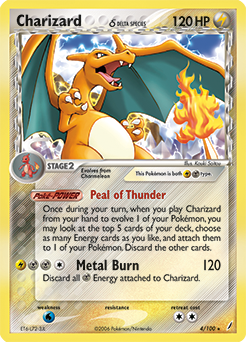
- ›Priciest tracked card: Charizard δ at $1199.99
Kouki Saitou has his name on 633 cards in our index. That is more real estate than most artists get in a lifetime of TCG work, and the market prices his signature at a 0.97x premium. Read that plainly: buyers are paying almost exactly average for a Saitou card, not a cent extra for the brushwork, even though the top of his catalog reads like a checklist for anyone who grew up chasing Skyridge and Unseen Forces pulls.
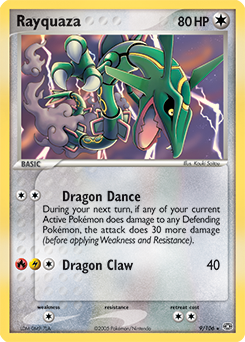
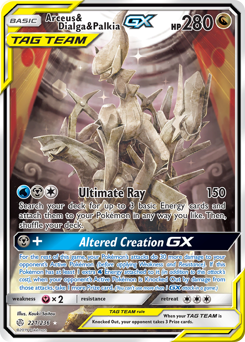
The ceiling is Charizard δ out of Crystal Guardians, market $1199.99. Delta species Charizard art still commands delta species Charizard money. Rayquaza from Emerald sits at $799.99, and Arceus & Dialga & Palkia-GX out of Cosmic Eclipse holds $568.04, proof the premium isn't limited to early 2000s holo rares.
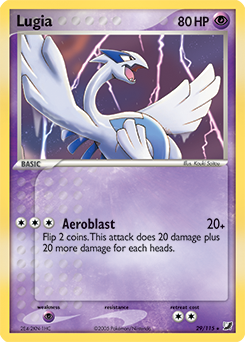
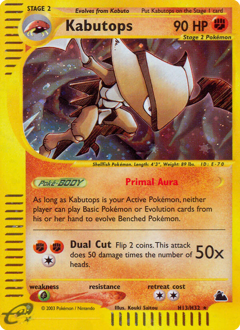
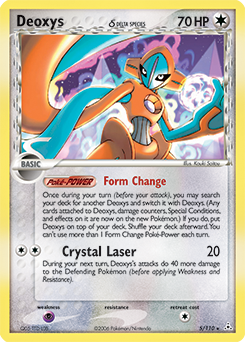
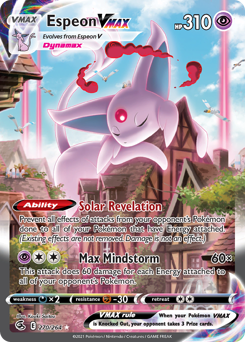
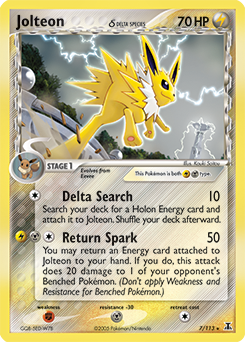
Further down the list: Lugia from Unseen Forces at $400.00, Kabutops from Skyridge at $399.99, Deoxys δ from Holon Phantoms at $349.99, Espeon VMAX out of Fusion Strike at $347.32, and Jolteon δ from Delta Species at $337.50. Eight cards, four different eras of the game, one artist, and a multiplier that says the market treats his name as roughly neutral. Make of that what you will. I make of it that the chase here is set and rarity, and Saitou just happens to have painted a disproportionate share of the cards worth chasing.
Now the part I actually owe you: how our signals have performed, no cherry picking. Monthly mint alerts hit 25% at the 7 day mark (44 of 173) for an average return of +3.5%, and improve to 39% at 30 days (32 of 83) for +8.5%. Weekly gainer flags are closer to a coin flip at 7 days, 21% hit rate on 136 calls for a thin +0.6% average, but firm up to 43% at 30 days (36 of 83) for +3.6%.
The loser flags are where this desk earns its keep. 47% hit rate at 7 days (79 of 169), and by 30 days that climbs to 64% (63 of 98) with an average return of -16.7%. That number describes what already happened to those flagged cards over a month, not a forecast for what happens next. Reading it as a warning would be reading it wrong. Reading it as the desk's most reliable lens so far would be reading it right.
Numbers from the TickerMint pipeline. Every call is scored publicly on the scoreboard.