Artist Spotlight: Hajime Kusajima Carries a Quiet Premium
The desk pulls the tape on Kusajima's 203-card catalog, where an e-Card-era illustration style still commands a 1.08x premium over the field.
KEY POINTS
- ›Hajime Kusajima trades at a 1.08x premium across 203 tracked cards
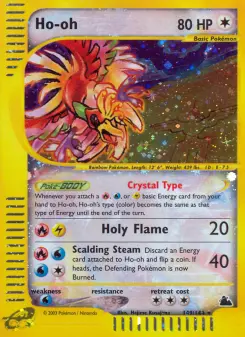
- ›Priciest tracked card: Ho-oh at $800.00
Hajime Kusajima doesn't get the flashy internet discourse that some illustrators get, but the market has quietly priced in a premium anyway. Across 203 cards carrying the Kusajima signature, the desk clocks a 1.08x premium versus the broader set. Not a headline number. A steady one, and steady is its own signal in this hobby.
The catalog skews e-Card era hard: Skyridge, Aquapolis, Expedition, Dragon Frontiers. That's the stretch of Pokemon TCG history where holo rares and secret rares from this artist built their reputations, and the top of the list reflects it.
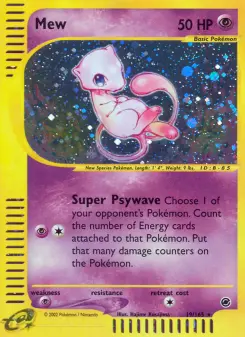
Ho-oh out of Skyridge Secret Rare sits at the top of the pile, market at 800.00. Behind it, Starmie from Skyridge (Holo Rare) at 575.75, and Mew from Expedition Base Set at 500.00 rounds out the trio that separates itself from the rest of the field.
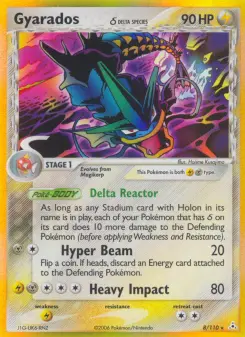
From there the drop is gradual, not a cliff: Houndoom out of Aquapolis at 399.99, Gyarados δ from Holon Phantoms at 342.78, Steelix also Aquapolis at 339.95, Articuno from Skyridge at 325.00, and Ninetales δ out of Dragon Frontiers closing the top eight at 290.36.
What stands out is the spread. No single card is doing all the work for this artist's premium. Eight cards across four sets, all clustered in the 290 to 800 range, tells the desk this is a broad collector preference for the style rather than a one-card mania propping up an average.
Track record, because we score ourselves
Mint alert calls at the monthly cadence hit 26% at 7 days (67 of 258, average return +3.5%) and 42% at 30 days (70 of 166, average return +9.3%). The 30-day number is the one that matters more for a slow-burn category like artist premiums.
On the mover side, 7-day gainer calls hit 19% at 7 days (35 of 181, +0.6% average) and improve to 40% at 30 days (51 of 129, +2.9% average). Loser calls score better across the board: 43% at 7 days (99 of 228, -3.4% average) and 59% at 30 days (94 of 160, -11.6% average). The desk doesn't hide from that asymmetry. Losers keep confirming more often than gainers do, and the scoreboard says so.
None of this is a signal to buy Kusajima cards. It's a read on where a premium has settled and how the desk's own calls have performed while getting there.
Numbers from the TickerMint pipeline. Every call is scored publicly on the scoreboard.
CARDS IN THIS BRIEF