Ryo Ueda Carries a 1.15x Tax, and the Market Keeps Paying It
Across 430 cards, Ryo Ueda's art commands a 1.15x premium, and the top of that pile is stacked with four-figure chase cards from across two decades of sets.
KEY POINTS
- ›Ryo Ueda trades at a 1.15x premium across 430 tracked cards
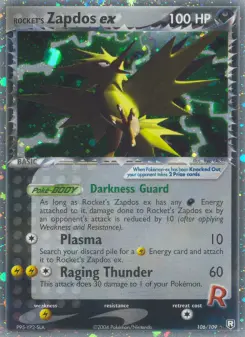
- ›Priciest tracked card: Rocket's Zapdos ex at $1079.99
Ryo Ueda doesn't get the mainstream name recognition of some Pokemon illustrators, but the numbers don't care about recognition. Across 430 cataloged cards, Ueda's work carries a 1.15x premium over comparable prints. That's not a rounding error, that's a signature tax the secondary market pays without complaint.
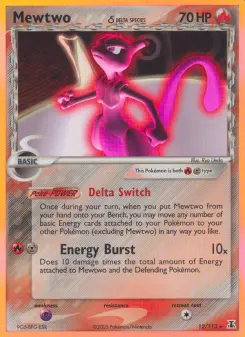
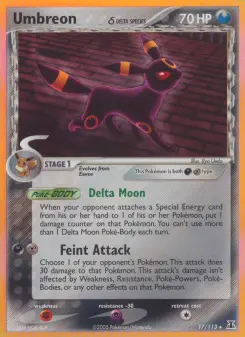
The top of the Ueda stack reads like a greatest-hits reel spanning multiple eras. Rocket's Zapdos ex from Team Rocket Returns leads at market $1079.99, an Ultra Rare that's done the heavy lifting for the whole portfolio. Right behind it, two Delta Species holo rares from the same classic era: Mewtwo δ at market $1050.00 and Umbreon δ at market $1042.50. Those two trading close together within the same set isn't coincidence, it's the same collector base chasing the same artist across a single release.
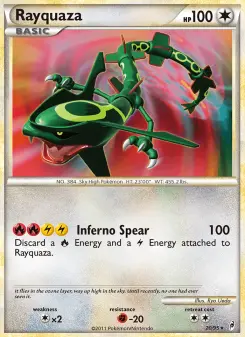
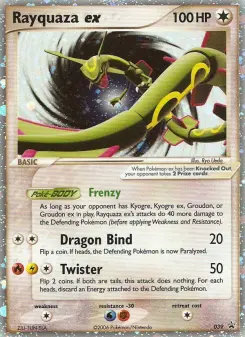
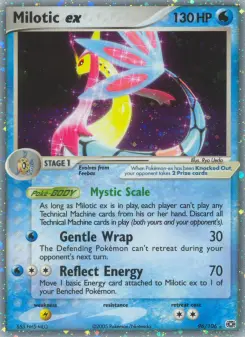
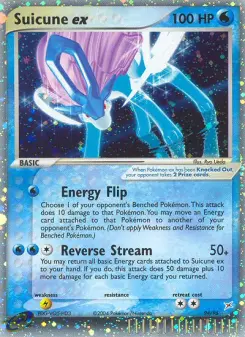
Rayquaza out of Call of Legends sits at market $1013.27, and Celebi ex from Unseen Forces, a Secret Rare, rounds out the four-figure club at market $999.99. Below that line, the pile thins but doesn't get cheap: Rayquaza ex, the Nintendo Black Star Promo, holds market $800.00, Milotic ex out of Emerald sits at market $799.99, and Suicune ex from Team Magma vs Team Aqua closes the list at market $763.00.
What stands out is the spread of eras represented at the top: Team Rocket Returns, Delta Species, Call of Legends, Unseen Forces, Emerald, and a Nintendo promo. Ueda's premium isn't tied to one hot set riding a nostalgia wave, it's distributed across the artist's whole career. That's a different kind of signal than a single chase card spiking on a reprint rumor. It suggests collectors are buying the name as much as the card.
The scoreboard, because we publish our own grades. Our mint alert monthly signal hits 26% at the 7 day mark with average return of +2.8%, climbs to 43% hit rate by 30 days with average return of +7.5%, and by 90 days lands at 46% hit rate off 46 calls with average return of +56.6%. The 7 day gainer signal hit rate runs 23% at 7 days, 38% at 30 days, and 55% at 90 days, with average returns of +4.9%, +6.8%, and +17.7% respectively. The 7 day loser signal, for what it's worth, scores higher on hit rate across the board: 46% at 7 days, 56% at 30 days, 66% at 90 days, with average returns of -4.1%, -8.9%, and -26.6%. Losers that lag tend to keep lagging longer than gainers keep gaining, at least in our own data. Make of that what you will.
Numbers from the TickerMint pipeline. Every call is scored publicly on the scoreboard.